
Climate Protection for Equipment and Materials
Heated Storage Units in Waterford for temperature-sensitive equipment, vehicles, and inventory requiring consistent winter protection
Winter temperatures in upstate New York regularly drop below zero, creating conditions that freeze water-based materials, crack plastic components, and drain batteries in stored vehicles and equipment. Heated storage units at Bells Contractor Storage in Waterford maintain stable indoor temperatures that prevent these common cold-weather failures. Contractors, hobbyists, and business owners storing paint, adhesives, electronics, or seasonal inventory avoid the product losses and equipment repairs tied to freeze-thaw exposure in unheated garages or outdoor sheds.
Each unit includes insulation and electrical service in addition to heating, supporting year-round usability for businesses that stage materials between jobs or individuals who need workspace for hobbies and projects during months when outdoor conditions make garage work impractical. The modern facility construction eliminates the drafts, moisture infiltration, and inconsistent temperatures common in older storage buildings.
Request a facility tour to review unit features and confirm heating capacity for your specific storage needs.
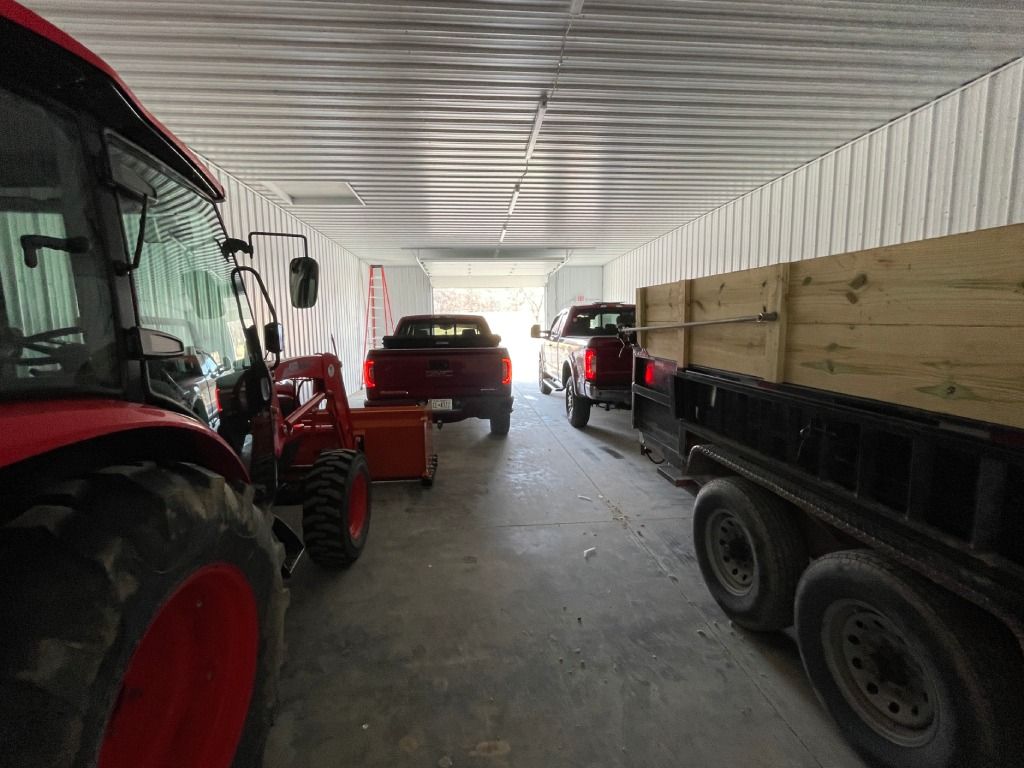
Why Temperature Control Matters for Long-Term Storage
Unheated storage spaces experience temperature swings that cause expansion and contraction in materials, leading to joint separation in wood furniture, cracking in leather and vinyl, and seal failures in containers holding liquids or semi-liquids. Heated storage at Bells Contractor Storage keeps these items within a temperature range that prevents damage, extending the usable life of stored goods and reducing replacement costs. The insulation further stabilizes the environment by buffering against outdoor temperature extremes and reducing the heating load required to maintain consistent conditions.
You'll notice that items removed from heated storage after months of inactivity remain in the same condition as when stored, without the frost residue, condensation stains, or brittleness that develop in cold environments. Electronics power on without component failures, fluids pour smoothly without thickening, and materials retain flexibility without becoming stiff or cracked.
The electrical service in each unit allows you to run dehumidifiers in summer months if needed, charge equipment batteries during storage, or operate lighting and small tools when accessing stored items during early morning or evening hours. The 1,250-square-foot layout provides enough space to organize inventory systematically, making it easier to locate specific items without unpacking the entire unit, which is particularly valuable for businesses rotating stock or contractors retrieving tools and materials on a project-by-project basis.
Questions Before Starting Your Project
Customers evaluating heated storage in the Waterford area typically ask about temperature ranges, energy efficiency, and lease terms before selecting a unit.
What temperature range is maintained in heated units?
Heated storage maintains above-freezing temperatures throughout winter, typically in a range that prevents freeze damage while avoiding the higher costs of maintaining room temperature conditions, though specific setpoints can vary based on facility design and customer needs.
How does insulation improve storage conditions?
Insulation reduces heat loss through walls and ceilings, which stabilizes internal temperatures and minimizes the humidity fluctuations that cause condensation on metal surfaces and promote mold growth on porous materials during seasonal transitions.
When should I transition temperature-sensitive items into heated storage?
Most customers move items indoors by late October or early November in Waterford, before overnight temperatures consistently drop below freezing and create conditions that damage paints, batteries, and water-based products.
What types of businesses benefit most from heated storage?
Contractors storing materials, landscapers protecting equipment during off-season, small manufacturers holding inventory, and service businesses maintaining vehicle fleets all benefit from climate control that keeps products and equipment ready for immediate use without thawing or warming delays.
How are heating costs handled in lease agreements?
Lease structures vary, with some including heating in the base rate and others charging separately based on usage or season, so confirming the pricing model during the reservation process prevents unexpected costs during peak winter months.
Bells Contractor Storage provides insulated, heated units designed to meet the climate protection needs common in the Capital District. Inquire about current availability and arrange a facility visit to review unit layouts before transitioning your equipment or inventory.